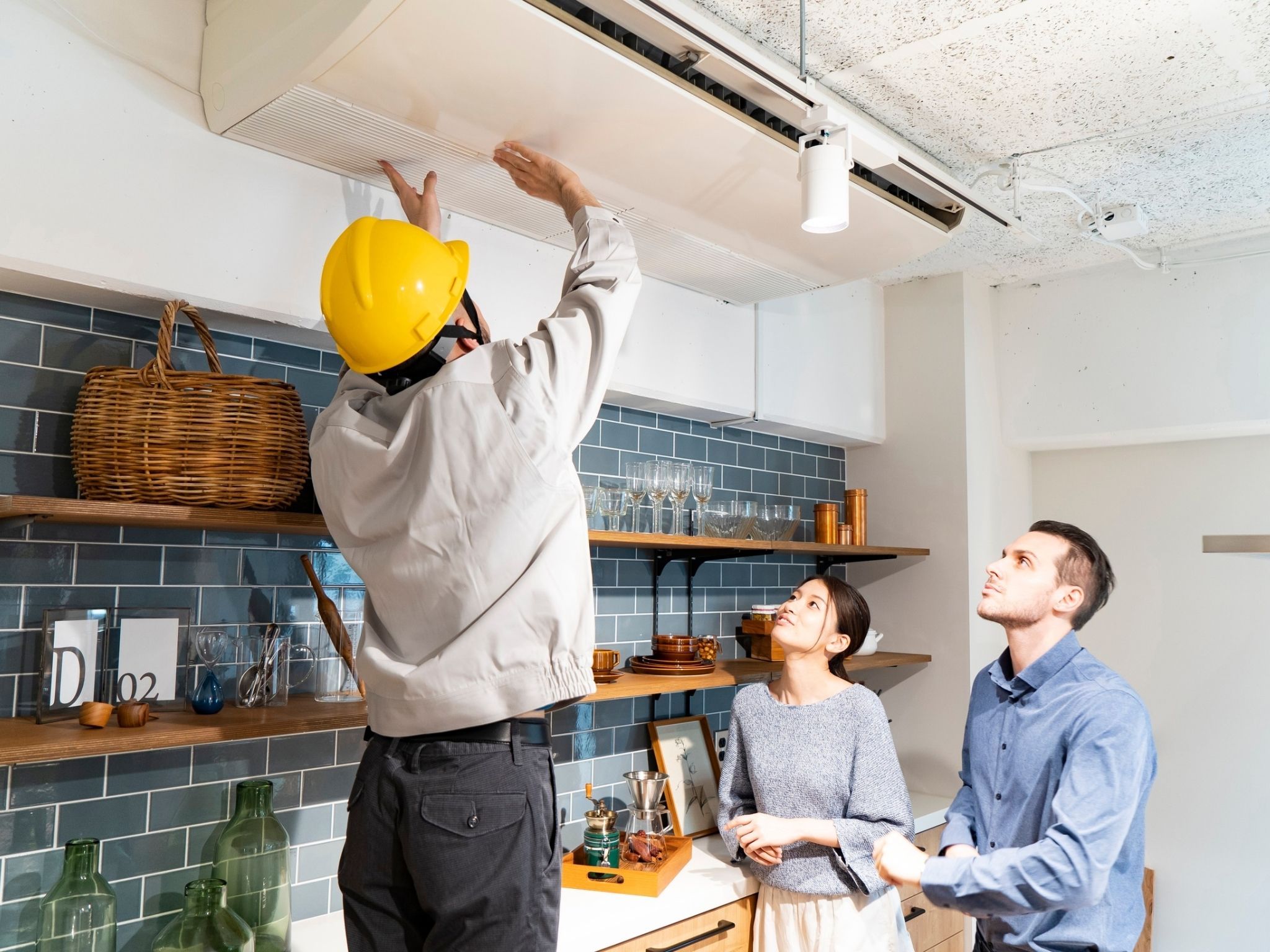
When a tenant reports a maintenance problem, the first question is usually simple: How urgent is this, and what should I do next?
Under Ontario’s Residential Tenancies Act, landlords are responsible for keeping rental properties in a good state of repair, fit for habitation, and compliant with applicable health, safety, housing, and maintenance standards.
But not every repair has the same level of urgency. A furnace failure during an Ottawa winter needs a very different response from a loose cabinet handle.
Here’s a practical way to handle landlord property maintenance in Ontario.
How Urgent Is the Repair?
Ontario does not set one universal repair deadline for every maintenance issue. The appropriate response depends on the seriousness of the problem.
The more a problem affects health, safety, security, heat, water, electricity, sanitation, or the tenant’s ability to use the unit, the faster it should be addressed.
A useful way to prioritize repairs is:
| Maintenance Issue | Priority | What to Do First |
|---|---|---|
| No heat in winter | Emergency | Contact an HVAC professional |
| Burst pipe or active flooding | Emergency | Stop the water if safe and call a plumber |
| Serious electrical hazard | Emergency | Keep the area clear and contact an electrician |
| Broken exterior lock | Urgent | Arrange a repair promptly |
| Only toilet not working | Urgent | Contact a plumber |
| Refrigerator supplied with unit stops working | Urgent | Diagnose and arrange repair or replacement |
| Pest or mould complaint | Prompt investigation | Inspect and identify the cause |
| Minor cosmetic damage | Routine | Record and schedule the repair |
What Should a Landlord Do When a Tenant Reports a Repair?
You do not need a complicated system. You do need a consistent one.
1. Confirm You Received the Request
Let the tenant know you received their message, even if you cannot solve the problem immediately.
Silence often turns a manageable maintenance issue into a frustrated tenant.
2. Get the Important Details
Ask what happened, when it started, whether it is getting worse, and whether there is an immediate safety concern.
Photos or a short video can also help you determine which contractor is needed.
3. Decide How Urgent It Is
Ask yourself:
- Is anyone at risk?
- Could the property suffer additional damage?
- Is the tenant without heat, water, electricity, or a secure entrance?
- Can the tenant reasonably continue using the rental unit?
That will usually tell you how quickly the problem needs attention.
4. Arrange the Repair
Contact the appropriate contractor and tell the tenant what happens next.
For rental properties, it helps to already have reliable contacts for:
- Plumbing
- HVAC
- Electrical work
- Locksmith services
- Pest control
- General repairs
Finding your first emergency plumber while water is coming through the ceiling is not a great system.
5. Keep a Record
Keep the tenant’s request, photos, contractor communication, invoices, repair dates, and follow-up in one place.
If there is ever a disagreement about how a maintenance issue was handled, good records matter.
Common Maintenance Issues for Ottawa Landlords
Ottawa rental properties come with a few maintenance problems that deserve extra attention.
No Heat During an Ottawa Winter
Heating failures should be treated seriously.
Where a landlord is responsible for providing heat, the City of Ottawa Heat By-law requires minimum indoor temperatures. Landlords should arrange service promptly when a furnace or heating system stops working during cold weather.
If the furnace fails:
- Confirm the problem with the tenant.
- Contact an HVAC technician.
- Keep the tenant informed.
- Consider appropriate temporary measures while repairs are underway.
- Document the service and completed repair.
Do not wait for the property to become dangerously cold before taking action.
[City of Ottawa Heat By-law]
Water Leaks and Burst Pipes
Small leaks can become expensive very quickly.
For an active leak, determine where the water is coming from and, when appropriate and safe, shut off the water supply while a plumber is arranged.
After the leak is repaired, check for damage to flooring, drywall, ceilings, cabinets, or neighbouring units.
The goal is not simply to stop visible water. You also need to address the source of the problem and any remaining moisture.
Mould and Moisture
If a tenant reports mould, investigate why moisture is present.
Common causes include:
- Plumbing leaks
- Window or roof leaks
- Poor ventilation
- Foundation moisture
- Condensation
- Previous water damage
Cleaning visible mould without correcting the moisture source may only temporarily hide the problem.
Pest Problems
Pest complaints should also be investigated rather than automatically blamed on the tenant.
Mice, cockroaches, bedbugs, and other pests may require professional treatment, sealing entry points, or repairs to the property itself.
If multiple units are affected, treating only one unit may not solve the underlying problem.
Snow and Ice
Ottawa winters also make exterior maintenance important.
Pay attention to areas such as:
- Entrances
- Steps
- Walkways
- Shared driveways
- Common areas
- Areas where snow or ice could fall from the roof
Landlords should not assume every maintenance responsibility can automatically be transferred to a tenant simply because something is written into a lease.
What About Appliances?
If you supply appliances such as a refrigerator, stove, washer, or dryer with the rental property, keep records of their age, condition, warranty information, and repairs. When an appliance stops working, first determine the cause.
Normal wear or mechanical failure is different from damage caused by improper use. Avoid assuming the tenant is responsible before you know what happened.
Preventive Maintenance Saves Money
Good landlords do not only react when something breaks.
For Ottawa rental properties, a basic preventive maintenance routine can help catch problems earlier.
Before winter:
- Service the furnace.
- Replace filters.
- Check exterior doors and windows.
- Inspect gutters and drainage.
- Confirm snow-removal arrangements.
In spring:
- Check for water intrusion after snowmelt.
- Inspect the roof and gutters.
- Look for drainage or foundation issues.
- Repair exterior damage before it becomes worse.
A scheduled service call is usually easier to manage than an emergency repair.
What Happens If a Landlord Ignores Repairs?
If a tenant believes a landlord has failed to properly maintain or repair a rental property, they may file a T6 Tenant Application about Maintenance with the Landlord and Tenant Board.
Depending on the circumstances, the Board can consider different remedies related to the maintenance problem.
That is why landlords should be able to show:
- When the problem was reported
- How they responded
- What action they took
- When the repair was completed
The goal is not just to repair the property eventually. It is to manage maintenance responsibly from the moment the issue is reported.
Need Help Managing an Ottawa Rental Property?
Maintenance is one of the biggest reasons managing a rental property can become time-consuming.
Coordinating tenants, contractors, inspections, repairs, emergencies, and follow-ups can quickly turn into a second job.
If you would rather have help managing the day-to-day responsibilities of your rental property, The West Team can help with property management in Ottawa.
- This article provides general information and is not legal advice. Ontario rental laws, municipal requirements, and individual tenancy situations can vary.
Need Help With an Ottawa Rental Property?
Whether you’re preparing to rent out a property or reviewing your options as a landlord, our team can help you understand the local rental market and plan your next steps.