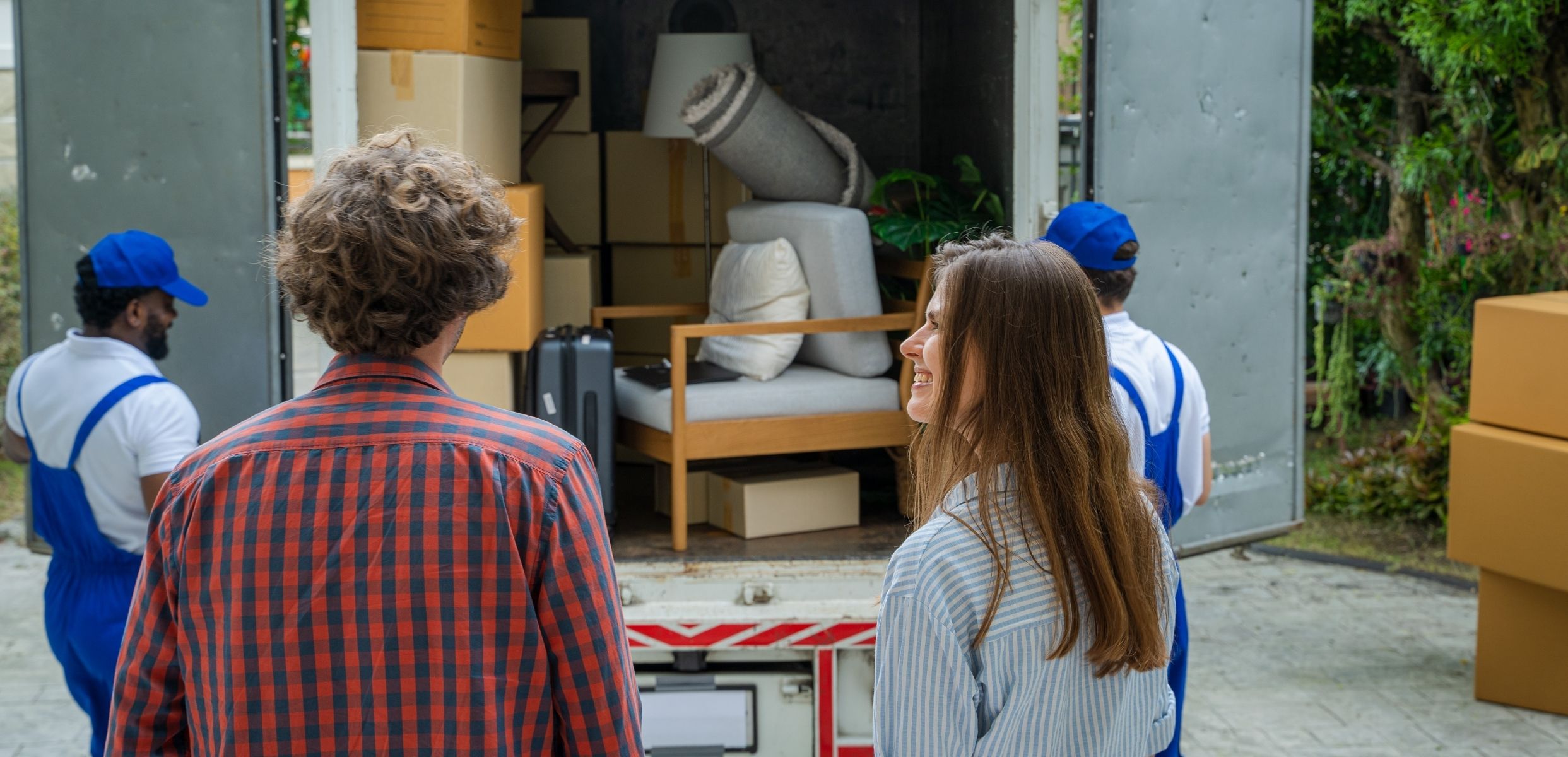
Packing boxes is only one part of moving. The details people forget are often the ones that create problems later: missed government mail, overlapping utility bills, misplaced closing documents or an essential item buried at the bottom of a box.
Whether you are buying, selling or changing rentals, this Ottawa moving checklist covers 15 tasks worth handling before and immediately after moving day.
1. Update Each Government Agency Separately
Changing your address with one government office does not automatically update the others. The Government of Canada confirms that federal systems are not connected for this purpose.
Depending on your situation, you may need to update the Canada Revenue Agency, Service Canada, Elections Canada, immigration files and other federal programs individually. Start with the federal change-of-address directory, then update your Ontario driver’s licence, vehicle permit and health card through ServiceOntario.
2. Arrange Mail Forwarding But Don't Rely on It Alone
Canada Post’s Mail Forwarding service can redirect eligible mail from your former Canadian address, but it does not forward everything. Parcels, prepaid envelopes and some mail delivered through other organizations may be excluded.
Set up Canada Post Mail Forwarding in advance, then update important senders directly, including banks, credit-card companies, insurers, employers, healthcare providers, subscriptions and professional organizations.
3. Transfer Utilities Before Moving Day
Arrange electricity, gas, water and internet early enough to avoid gaps in service or billing overlap.
Hydro Ottawa asks residential customers to submit moving requests at least 10 business days before the move. Existing customers can select when service should stop at the former address and begin at the new one. (Hydro Ottawa Moving Services)
If the property uses natural gas, update the move-in and move-out dates with Enbridge Gas. For an Ottawa property purchase, confirm how the water account change will be handled with your lawyer and review the City’s change-of-ownership information.
4. Confirm Home Insurance
Do not assume an existing tenant, condo or homeowner policy will automatically follow you. Contact your insurer before closing or moving to confirm when coverage ends at the old address and begins at the new one.
Tell the insurer about relevant property details, planned renovations, vacancy periods or changes in occupancy. Keep written confirmation of the effective date and coverage.
5. Photograph Meter Readings and the Property's Condition
Take dated photographs of accessible utility meters at the old and new properties. Keep the images with final bills and service confirmation numbers.
Renters should also document the condition of both properties. Buyers can photograph the empty home during the final walkthrough or immediately after receiving possession, before boxes and furniture make existing damage harder to see.
6. Check Every Hidden Storage Area
Before leaving, inspect places that are easy to miss:
- Attics and crawl spaces
- Basement storage rooms
- Garage shelves and rafters
- Outdoor sheds
- Medicine cabinets
- Built-in drawers
- Under stairs and under beds
- High kitchen cupboards
Complete one final walkthrough after the moving truck is loaded.
7. Keep Essential Documents With You
Do not place passports, birth certificates, medications, jewellery, mortgage or lease documents, insurance papers, keys or moving contracts on the truck.
Keep them in a clearly marked folder or secure bag that stays with you. Back up important digital files before disconnecting and transporting computers or external drives.
8. Pack a First-Night Kit
Prepare one container that can be opened immediately. Include:
- Medication and toiletries
- Phone chargers
- A change of clothes
- Bedding and towels
- Basic cleaning supplies
- Snacks and bottled water
- Pet or children's essentials
- Toilet paper, soap and a small toolkit
Label it Open First and transport it separately if possible.
9. Label Boxes by Room and Priority
“Kitchen” is useful, but “Kitchen, Open First” is better. Add the destination room, priority and a short description of the contents.
Numbering boxes can help you notice if one goes missing. Maintain a simple list without recording sensitive details on the outside of boxes containing valuables.
10. Book Moving-Day Access
For a condo or apartment, confirm elevator reservations, loading areas, parking permissions, move-in hours and any required deposits. Ask whether wall or floor protection is mandatory.
For a house, consider street access, snow removal, temporary parking restrictions and whether the truck can safely use the driveway. Confirm these details with the mover before arrival.
11. Arrange Care for Children and Pets
Open doors, heavy furniture and frequent foot traffic can make moving day unsafe and stressful. If possible, arrange for children and pets to stay with someone you trust until the busiest part of the move is complete.
Update pet identification and microchip records with the new address and phone number. Pack food, medication, carriers, leashes and comfort items separately.
12. Inspect the Home Before Unpacking
Walk through the property while it is still empty. Check that agreed-upon fixtures and inclusions remain, look for visible leaks or new damage and test essential systems where appropriate.
If something appears inconsistent with the agreement or final walkthrough, photograph it and contact your lawyer and Realtor promptly instead of trying to resolve a legal or contractual issue yourself.
13. Change Locks, Codes and Access
After taking possession, consider rekeying or replacing exterior locks. Reset garage-door remotes, smart locks, alarm codes and keypad access. Remove former users from connected-home accounts and update the Wi-Fi password.
Collect every key, fob, mailbox key and remote provided at closing, then store spares securely.
14. Locate Safety Controls
Identify the main water shut-off, electrical panel, gas shut-off, sump pump and exterior hose connections. Confirm that smoke and carbon-monoxide alarms are present and functioning, and replace batteries if their history is unknown.
Keep emergency contacts, appliance manuals and the location of shut-offs somewhere accessible to everyone in the household.
15. Learn the New Waste and Collection Routine
Collection schedules and rules may differ at the new address. Check the City of Ottawa’s waste information for collection days, accepted materials and options for items you do not want to move. The City also provides specific guidance for residents moving in or out.
Avoid leaving unwanted furniture, hazardous materials or excess garbage behind unless disposal has been properly arranged.
Make Your Move Easier
A successful move is less about remembering everything at once and more about completing the right tasks in the right order. Start government updates and utility arrangements early, protect your documents, and keep one written checklist for the final week.
Service requirements and government processes may change. Confirm current instructions directly with the relevant provider or agency.
Thinking About Buying a Home in Ottawa?
Whether you’re just starting your search or preparing to make an offer, our team can help you understand your options and plan your next steps.